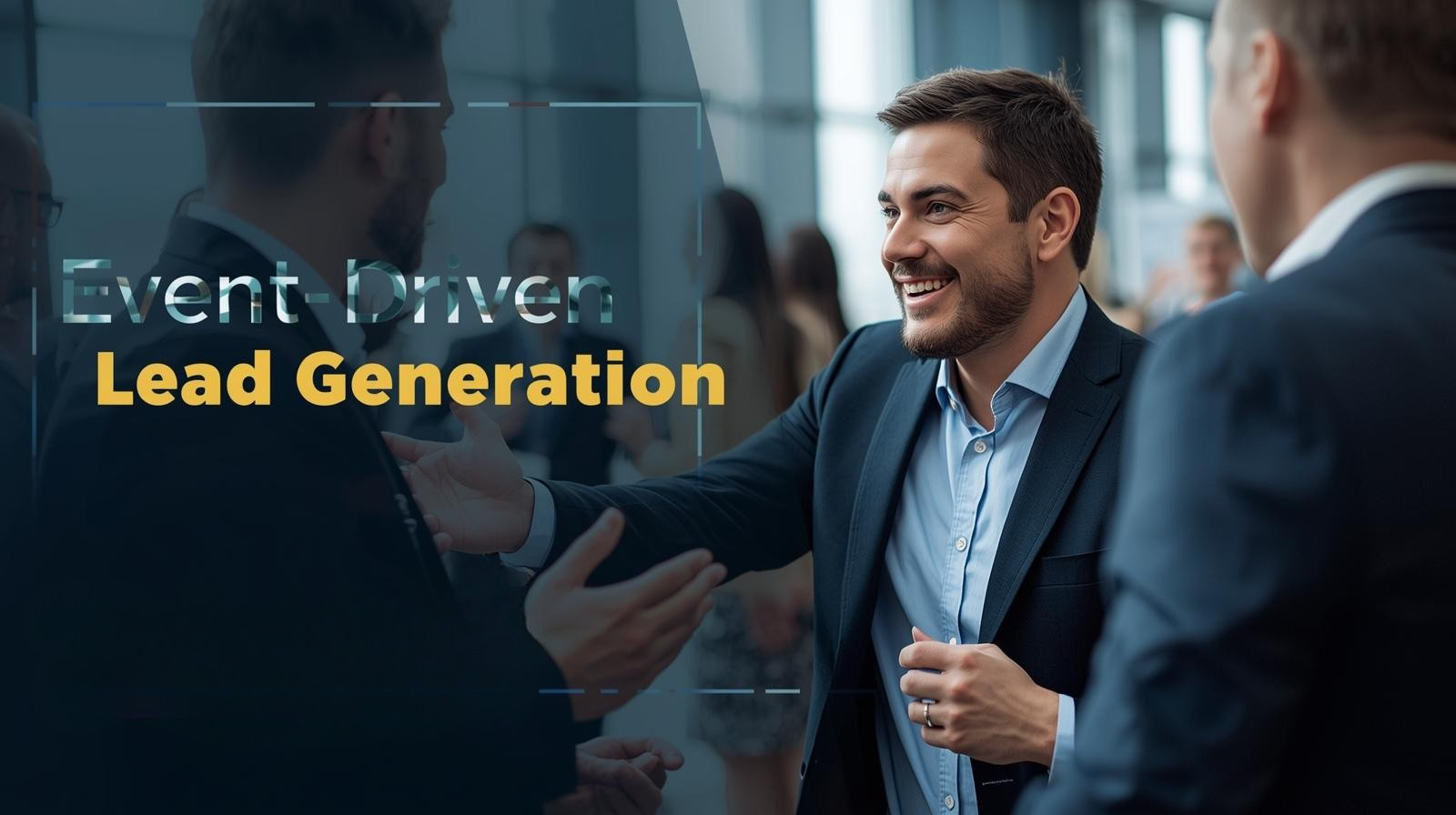
In an increasingly digitized corporate world, the physical trade show or conference has evolved from a mere networking opportunity into a high-stakes arena for business development. Despite the convenience of Zoom, the “handshake economy” remains the most potent accelerator for B2B trust. However, the true ROI of an event is rarely found in the quantity of badges scanned; it is found in the quality of the narrative established at the booth and the speed of the transition from a physical encounter to a digital relationship. To win at event-driven lead generation, organizations must view the “booth” not as a static display, but as a dynamic stage for problem-solving.
Recognizing that events are high-intent environments allows you to justify the significant overhead costs. Unlike cold digital traffic, event attendees have already invested time and money to be there, making them some of the “hottest” leads in your funnel.
Designing for “Frictionless Engagement”: The Booth Strategy
A common mistake in trade show strategy is the creation of “intimidating architecture” large counters that act as physical barriers between the staff and the attendees. Modern, high-ROI booth design favors an “open-flow” concept that encourages prospects to step into the brand experience rather than stand outside it. Instead of passive presentations, incorporate interactive elements like live polling, touch-screen diagnostics, or “mini-consultation” zones. The goal is to move the conversation past “What do you do?” to “How can you help with my specific problem?” within the first sixty seconds of the interaction.
Remove the physical barriers. Use small, “cocktail-height” tables for intimate conversations rather than a long reception desk. This subtle change in ergonomics shifts the dynamic from a “transactional” counter interaction to a “collaborative” peer-to-peer discussion.
The “Tiered Qualification” Framework: Beyond the Badge Scan
The dopamine hit of a “badge scan” often blinds sales teams to the reality of lead quality. To maximize ROI, booth staff must be trained in a tiered qualification framework. Not every visitor is a decision-maker, and treating them as such wastes precious time. High-performing teams categorize leads in real-time: Tier 1 (Immediate pain point, budget authority), Tier 2 (Future interest, influencer role), and Tier 3 (General information seeking). By using a lead-capture app that allows for quick, whispered voice notes or “tagging” immediately after a conversation, you ensure that the nuances of the dialogue are preserved for the follow-up.
Never end a conversation without a “next-step” agreement. If a lead is Tier 1, don’t just say “we’ll be in touch.” Say, “I’ll send you the specific case study we discussed by 10 AM tomorrow; would you be open to a 10-minute recap on Thursday?”
The “Golden Hour” of Follow-Up: Winning the Post-Event Inbox
The greatest tragedy in event marketing is the “delayed follow-up.” Most companies wait until three days after the event to upload leads and send a generic “It was nice meeting you” email. By then, the prospect has forgotten the conversation and is buried under 50 identical messages. The winners of event-led ROI utilize the “Golden Hour” strategy: sending personalized, video-based, or highly specific follow-ups within hours or even minutes of the encounter. When a prospect receives a message that references a specific joke or a technical question they asked while they are still on the show floor, your brand moves from “vendor” to “unforgettable partner.”
Set up “Sequences of One.” Before the event, draft 80% of your follow-up templates, but leave placeholders for specific details. Have a dedicated “speed-to-lead” team back at the office (or in the hotel) processing these notes in real-time as they are synced from the booth.
Maximizing the “Surround Sound” of Networking
ROI at an event isn’t confined to the four corners of your booth. The most valuable leads are often generated at the VIP dinners, the “after-hours” mixers, or even in the coffee line. A sophisticated event strategy involves “social listening” on the event hashtag to identify key influencers and “whales” who are attending.3 Engaging with their live-tweets or LinkedIn updates during the event and inviting them for a “low-pressure” coffee away from the noise of the trade show floor can result in deeper discovery than a formal booth presentation ever could.
Assign “Roaming Ambassadors” who don’t have booth duty. Their sole job is to attend sessions, participate in Q&As, and network in the common areas. This expands your brand’s footprint beyond your physical real estate.
Conclusion: The Event as a Enzyme, Not a Destination
A trade show should not be viewed as a standalone marketing activity, but as a high-velocity enzyme for your existing sales pipeline. The success of the event is determined 30 days after the doors close, based on the percentage of “scans” that turned into “scheduled discoveries.” By focusing on human-centric booth design, rapid-fire personalized follow-up, and strategic networking, you transform a heavy capital expenditure into a repeatable engine for high-value B2B growth.
The booth gets their attention, but the follow-up gets their business. Treat every physical interaction as the start of a digital relationship, and never let the trail go cold.