
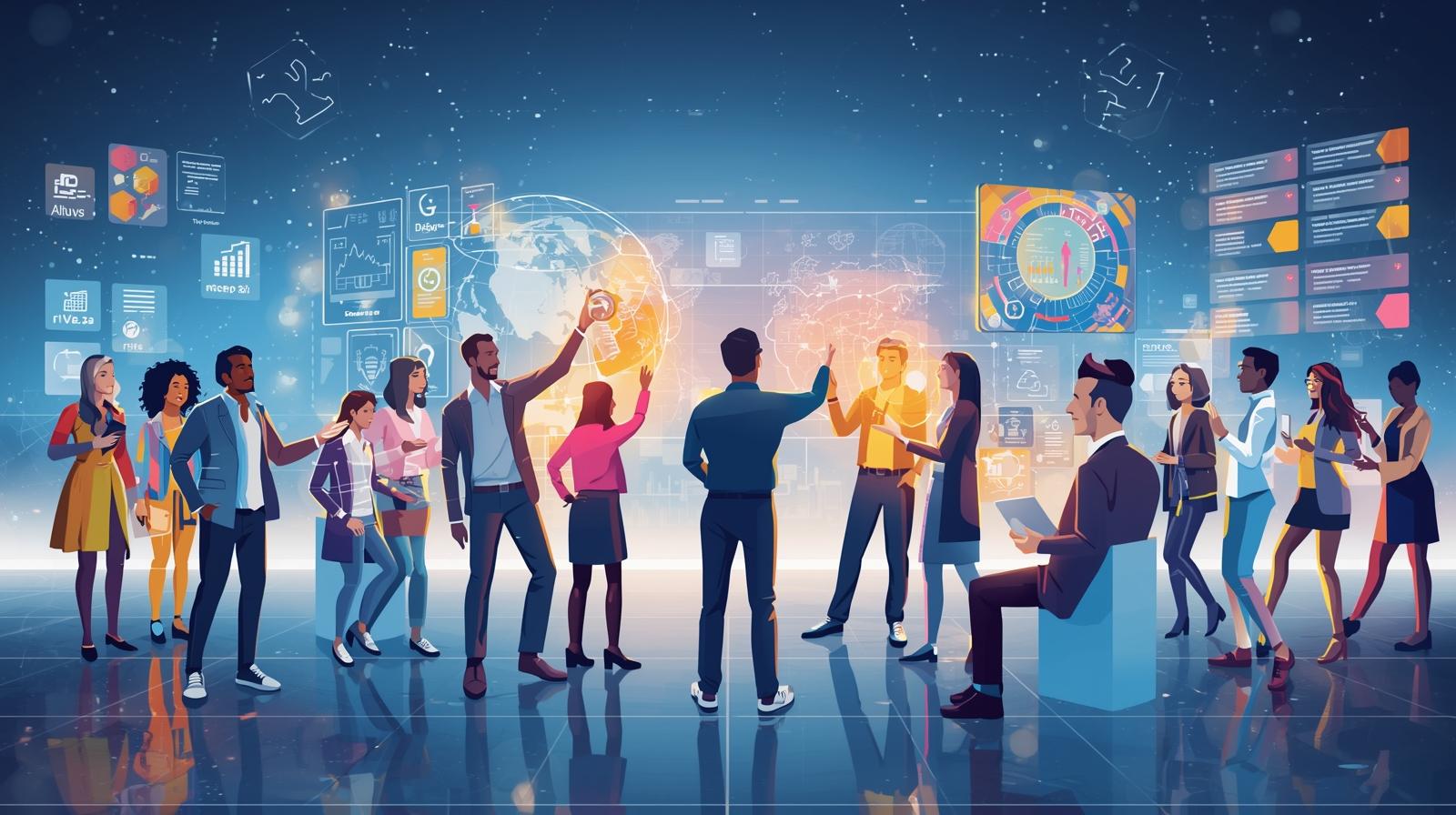
In the modern B2B landscape, the virtual event has evolved far beyond the “consolation prize” for cancelled physical gatherings. It has become a sophisticated, high-velocity theater of engagement where geography is no longer a barrier and data is the primary currency. However, as the novelty of digital conferences has faded, “webinar fatigue” has set in. To succeed today, a virtual event must be more than a broadcast; it must be an immersive experience that commands attention in an environment where a prospect is only one click away from a distraction. Transitioning from a passive presentation to a digital landmark requires a blend of theatrical flair and surgical data precision.
Treating virtual events as premium experiences rather than checkboxes shifts your brand perception from a “vendor with a webcam” to a “thought leader with a platform.” This elevated status naturally lowers the barriers to entry for high-level decision-makers.
The Engagement Architect: Building Beyond the Screen
The greatest challenge of any digital conference is the “Invisible Audience.” Unlike a physical room where you can feel the energy of the crowd, the digital stage requires you to actively pull the audience through the screen. Successful virtual events utilize “Micro-Interactions” live polls, rapid-fire Q&A sessions, and collaborative whiteboards to transform spectators into participants. By breaking the “fourth wall” of digital broadcasting, you create a psychological feedback loop that keeps the attendee tethered to your content. Engagement is the antidote to the “background tab” syndrome.
Never speak for more than ten minutes without asking the audience for an input. Whether it is a poll or a request for a “yes” in the chat, constant micro-engagements keep the user’s browser tab active and their focus sharp.
The Digital Breadcrumb: Precision Lead Capture
In a physical conference, a lead is often a business card dropped in a bowl; in a virtual event, a lead is a comprehensive data map. Every click, download, and “time-on-session” metric provides a layer of context that a physical event simply cannot match. To maximize lead capture, you must offer “In-Stream Value Assets” specific, downloadable resources that complement the live narrative. If you are discussing a new framework, offer the “Implementation Spreadsheet” immediately via a visible link. This captures intent at its absolute peak, ensuring that the transition from “viewer” to “lead” happens in real-time.
Use “Progressive Gating.” Do not ask for a full dossier of information at the start. Collect an email for the entry, but offer higher-value assets during the talk that require a single additional data point (like a phone number or job title) to “unlock.”
The Networking Mirage: Facilitating Human Connection
The most common criticism of virtual events is the lack of “hallway conversations.” To overcome this, organizers must intentionally design “Serendipity Engines.” This involves the use of AI-driven matchmaking tools that suggest breakout rooms based on shared interests or industry roles. By facilitating “Small-Room Dynamics” within a large-scale conference, you replicate the intimacy of a physical event. These smaller, focused interactions are where the highest-quality leads are often discovered, as they allow for the consultative dialogue that a main-stage keynote lacks.
Host “Post-Session Huddles” in private breakout rooms. Invite only the most active participants to stay for a ten-minute “unfiltered” discussion with the speaker. This creates an aura of exclusivity that fast-tracks the trust-building process.
The Long Tail: Post-Event Momentum and Content Decay
A virtual event should never truly end when the “Stop Stream” button is pressed. One of the primary advantages of digital conferences is their “Content Longevity.” The recorded sessions serve as the foundation for a multi-channel nurturing sequence. By fragmenting a one-hour keynote into “Insight Nuggets” short, 60-second video clips for LinkedIn or YouTube, you extend the lead-generation window by weeks or even months. Furthermore, analyzing the “Engagement Heatmap” of the recording tells you exactly which topics resonated, allowing your sales team to tailor their follow-up calls with surgical relevance.
Send a “Personalized Recap” email within four hours of the event. Instead of a generic “thanks for coming,” include a link to the specific segment of the video that the attendee spent the most time watching. This level of personalization proves you were paying attention to them.
Conclusion: Dominating the Virtual Horizon
The transition from physical to virtual is not a downsizing of ambition; it is an expansion of reach. By mastering the art of the digital conference, you gain the ability to speak to a global audience with the cost-efficiency of a local meeting. The brands that win the “Virtual Stage” are those that prioritize the human experience behind the pixel. When you combine high-production values with intentional engagement and data-driven follow-up, your virtual event stops being a broadcast and starts being a revenue-generating engine.
In the digital realm, visibility is a function of value. Be the most useful voice in the room, and the audience will find their way to your door, no matter how many miles or screens lie between you.