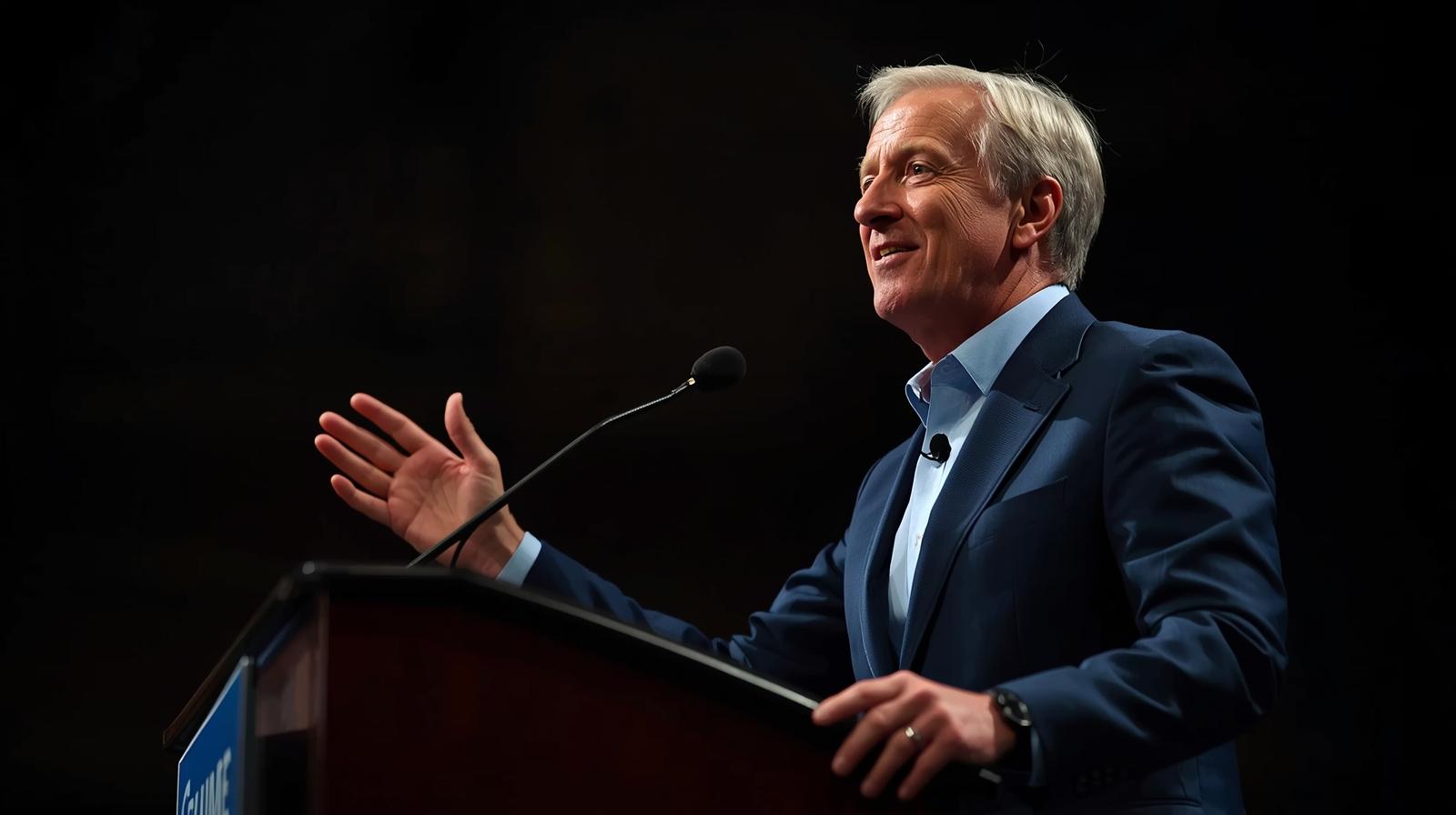
In an era dominated by impersonal digital noise, cold emails, programmatic ads, and automated LinkedIn messages, public speaking remains one of the few channels where trust can be manufactured at scale. When a leader steps onto a stage (physical or virtual), the dynamic shifts instantly; they are no longer a vendor soliciting attention, but an expert granting it. However, for many B2B leaders, speaking engagements remain a “vanity metric,” a moment for applause and LinkedIn photos rather than a calculated revenue driver. To transform speaking into a legitimate lead generation channel, one must stop viewing the speech as a performance and start viewing it as a sophisticated, one-to-many sales consultation.
Reframing public speaking from “brand awareness” to “lead generation” allows you to justify the travel and preparation time to your CFO. It shifts the KPI from “audience size” to “qualified conversations started,” making the ROI measurable.
The Authority Paradox: Sell Nothing to Sell Everything
The fastest way to lose a room is to turn a keynote into a pitch deck. Modern audiences are highly sensitive to “sales breath;” the moment they detect a commercial agenda, their defenses go up, and their phones come out. The paradox of speaking for lead generation is that to sell effectively, you must arguably stop selling altogether. The goal is to provide “Radical Utility,” giving away your best frameworks, your deepest insights, and your most actionable strategies for free. By solving a small part of the audience’s problem in real-time on stage, you prove your competence. You are not claiming to be an expert; you are demonstrating it.
Follow the “80/20 Education Rule.” 80% of your talk should be actionable advice that the audience can use without hiring you. The remaining 20% should highlight the complexity of execution, subtly signaling that while they know what to do, hiring your firm is the safest way to get it done.
The Mechanism of Capture: Beyond the Business Card
A standing ovation is useless if you leave the venue without data. In the past, speakers relied on the chaotic exchange of physical business cards at the foot of the stage, a method that is both inefficient and unscalable. Today, the “capture” must be woven seamlessly into the narrative of the presentation. This involves the strategic use of “Contextual Lead Magnets.” Rather than offering a generic newsletter, offer a specific asset related to the talk such as “The slides from today,” a “Self-Audit Checklist,” or a private calculator tool. This is presented via a QR code on the final slide, allowing the audience to exchange their contact information for immediate value while the dopamine of the presentation is still high.
Do not wait until the very last second to show the QR code. Introduce the “value add” resource halfway through the talk (e.g., “I have a spreadsheet that calculates this automatically, which I’ll share at the end”). This builds anticipation and ensures higher conversion rates when the code finally appears.
Selecting the Room: The “Whale Hunting” Strategy
Not all stages are created equal. A common mistake is prioritizing the size of the audience over the quality of the room. Speaking to 500 university students might feed the ego, but speaking to 50 qualified CEOs in a breakout session feeds the pipeline. Effective lead generation requires a “Whale Hunting” strategy, where you ruthlessly vet opportunities based on the decision-making power of the attendees. It is often better to speak at a niche, expensive-to-attend industry roundtable than a massive, free-for-all trade show. The exclusivity of the event acts as a pre-qualification filter for your leads.
Before accepting an unpaid speaking gig, ask the organizer for a “sample attendee list” (titles and companies). If the people in the room cannot sign a check for your services, decline the invite or send a junior team member for brand practice.
The “Bridge” Follow-Up: extending the Narrative
The lead is not generated when the QR code is scanned; it is generated when the follow-up connects. Most speakers fail here by dumping new leads into a generic marketing drip campaign. To convert a speaking lead, the follow-up must bridge the gap between the stage and the sales call. The first email should not be a “Book a Demo” request; it should be a continuation of the narrative. It should reference a specific joke, a poll result from the room, or a question asked during the Q&A. This signals that the email is a personal correspondence from the authority figure they just saw, not an automated blast from a marketing bot.
Pre-write your follow-up sequence before the event, but leave “placeholder variables” for specific anecdotes. Within one hour of leaving the stage, update those variables and hit send. Speed combined with extreme relevance creates a powerful impression of professionalism.
Conclusion: The Long Tail of Authority
Positioning yourself as an authority through speaking is a long-term play that yields compounding returns. Unlike a paid ad that stops working the moment you stop paying, a great speech creates a “halo effect.” Attendees who don’t buy today may recommend you six months from now because you were the one who “clarified the chaos” for them. By treating every speaking engagement as a strategic entry point into your funnel, you transform the podium into your most profitable marketing asset.
You are not there to be famous; you are there to be helpful. When you prioritize utility over vanity, the stage becomes the most powerful lead magnet in your arsenal.